 Furniture
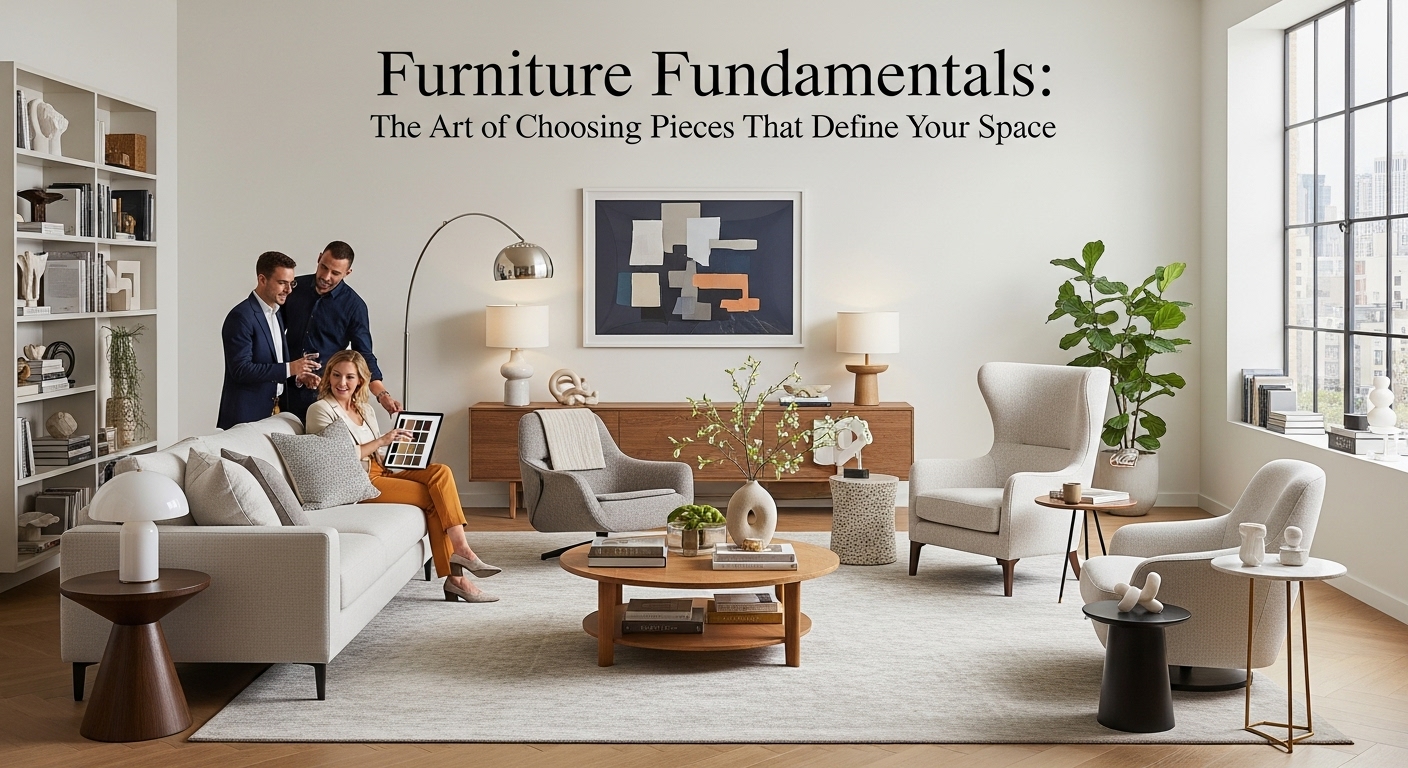
Furniture Fundamentals: The Art of Choosing Pieces That Define Your Space
Furniture Fundamentals: The Art of Choosing Pieces That Define Your Space
Furniture is the foundation of a home. It’s more than just something to sit on or eat at—it’s the functional art that shapes our daily lives, expresses our personal style, and transforms empty rooms into living spaces filled with comfort and character. Yet, navigating the world of sofas, tables, and chairs can be overwhelming. This comprehensive guide will walk you through the essentials of selecting, styling, and investing in furniture that will stand the test of time, both in quality and design.
Why Your Furniture Choices Matter
Furniture is a long-term investment in your well-being and the functionality of your home. Good furniture should:
Support your lifestyle: From movie nights to home offices.
Define the flow of a room: Arrangement impacts movement and energy.
Reflect your personality: Your choices tell a story about who you are.
Provide lasting comfort and durability: Quality pieces age gracefully.
Part 1: The Investment Pieces – Where Quality is Key
Certain furniture items are worth splurging on due to their central role and frequent use.
1. The Sofa: The Heart of the Living Room
This is arguably the most important purchase. Look for:
Frame: Solid hardwood (like oak or maple) is best. Avoid softwoods or particleboard.
Joinery: Dowels, corner blocks, and double-doweled joints indicate quality. Steer clear of staples alone.
Cushions: High-density foam wrapped in down offers luxury and durability. Ask about foam density (1.8 and above is good).
Fabric: Performance fabrics (treated for stain resistance) are ideal for families. Natural fibers like linen and wool offer breathability but may require more care.
2. The Mattress: Investing in Sleep

We spend a third of our lives sleeping. Don’t skimp.
Types: Innerspring, memory foam, latex, and hybrid. Test in-store if possible.
Support: Your spine should remain neutral when lying down.
Size: Opt for the largest size your bedroom can comfortably fit (King/Queen over Full).
3. The Dining Table: The Gathering Place
A table hosts meals, work, and conversation.
Material: Solid wood (walnut, oak, teak) is durable and can be refinished. Stone is stunning but heavy.
Base & Stability: Wiggle it in the showroom. A sturdy base is non-negotiable.
Shape: Rectangular for larger rooms and seating capacity, round for conversation and small spaces.
Part 2: Styling & Arrangement – Making It Work Together
The Golden Rules of Layout:
Create Conversation Areas: Arrange seating so people can talk comfortably (usually 8-10 feet apart).
Mind the Traffic Flow: Leave clear pathways (about 3 feet wide) around furniture.
Anchor with Rugs: A rug should be large enough for the front legs of all seating to rest upon.
Play with Scale & Proportion: Mix large, heavy pieces with lighter, leggy ones for visual balance.
Creating Cohesion:
Establish a Color Palette: Choose 2-3 main colors and an accent. Let your larger furniture (sofa, bed) anchor the palette.
Mix Materials & Textures: Combine wood, metal, glass, fabric, and leather to add depth and interest.
Balance Old & New: Pair a modern sofa with a vintage wooden chest for a curated, timeless look.
Part 3: Smart Solutions for Modern Living
For Small Spaces:
Double-Duty Furniture: Think storage ottomans, sleeper sofas, and nesting tables.
Visual Lightness: Use furniture with exposed legs (air space underneath) and glass tops to make rooms feel larger.
Go Vertical: Tall bookcases and wall-mounted shelving units draw the eye up and free up floor space.
For Sustainability:
Buy Vintage or Antique: Reduces demand for new resources and adds unique history.
Look for Certifications: FSC-certified wood ensures responsible forestry.
Choose Quality Over Quantity: The most sustainable piece is the one you keep for decades.
Part 4: Current Furniture Trends (That Are Actually Timely)

While trends come and go, some current movements have lasting appeal:
Curves & Organic Shapes: Soft, rounded sofas and tables counter the sharp lines of technology.
Multifunctional Home Office Furniture: Elegant, residential-style desks and ergonomic chairs that don’t look corporate.
Natural & Textured Materials: Rattan, cane, bouclé fabric, and unpolished stone.
Warm, Earthy Tones: Olive green, terracotta, and warm walnut woods are replacing cool grays.
Part 5: Your Furniture Buying Checklist
Before you click "buy" or sign the receipt, ask:
Does it fit? Measure your space and the doorways/hallways it must travel through.
How is it made? Investigate the materials and construction.
Is it comfortable? Sit on it, lie on it, open its drawers.
What’s the return policy & warranty? Know your options.
Does it spark joy? Ultimately, you should love it.
Conclusion: Building Your Home, One Piece at a Time
Furnishing a home is a journey, not a race. Start with your essential investment pieces—the sofa, the bed, the dining table—and build around them. Allow your style to evolve, and don’t be afraid to mix in meaningful finds along the way. The best furniture doesn’t just fill a room; it fills your home with life, comfort, and memories for years to come.